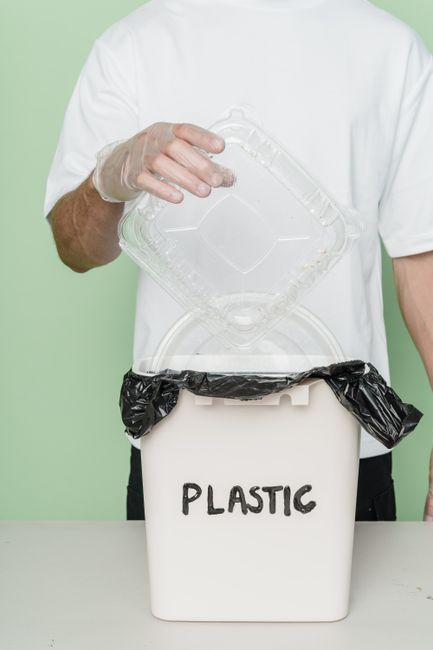
Eco-Friendly Furniture Disposal and Recycling in London

If you have ever stared at a sofa that has seen better days, or a wobbly desk that no longer has a place in your flat, you will know the problem is not just getting rid of it. In London, furniture disposal has to be thoughtful, legal, and as low-waste as possible. Eco-Friendly Furniture Disposal and Recycling in London is about choosing the route that keeps usable items in circulation, sends recyclable materials to the right place, and avoids the all-too-common trap of dumping everything as mixed waste.
That matters whether you are moving home, clearing a rental, refurbishing an office, or just replacing a dining set that has outlived its usefulness. Done well, it saves time, reduces environmental impact, and often feels far less stressful than a last-minute scramble. Let's face it, nobody wants to discover at 8:30 on a damp Tuesday morning that a wardrobe cannot simply be left on the pavement and forgotten.
This guide walks through how eco-friendly furniture disposal works in London, who it suits, what to watch out for, and how to make the process cleaner and easier from start to finish. It also includes practical steps, a checklist, a comparison table, and answers to the questions people actually ask.
- Why eco-friendly disposal matters
- How the process works in London
- Benefits for homes and businesses
- Who needs this and when
- Step-by-step guidance
- Expert tips for better results
- Common mistakes to avoid
- Tools, resources and recommendations
- Law, compliance and best practice
- Options and comparison table
- Real-world example
- Practical checklist
- Conclusion
- Frequently asked questions
Why Eco-Friendly Furniture Disposal and Recycling in London Matters
Furniture is bulky, awkward, and often made from several different materials stuck together. A single item can include timber, metal brackets, foam, textiles, plastic fittings, glues, varnishes, and sometimes hidden fasteners that make dismantling a headache. Because of that mix, furniture is not always simple to recycle, but it is often more recyclable than people think if it is sorted properly.
In a city like London, where space is tight and collection systems vary by borough, the way you dispose of furniture really matters. Reusable items can support charities, resale routes, or second-hand markets. Repairable items can be fixed. Broken items can often be stripped into parts so that wood, metal, and fabric are handled separately. The less that goes to landfill or general waste, the better.
There is also a practical side. Eco-friendly disposal usually means less chaos on the day. Instead of one rushed decision, you make a sequence of smaller ones: keep, donate, repair, dismantle, recycle, then remove what is left. It is a calmer way to work, and in our experience, that calm pays off when the staircase is narrow and the lift is already booked. Small mercies.
For businesses, the stakes are even higher. Office furniture clearances can involve multiple desks, chairs, storage units, meeting tables, and reception pieces. Doing that responsibly reduces waste, supports brand reputation, and makes a refurbishment feel far more organised. If you are planning a larger move, services such as commercial moves and office relocation services can help keep the logistics tidy while disposal and recycling are handled alongside the move.
How Eco-Friendly Furniture Disposal and Recycling in London Works
At its core, the process is about matching each item to the best possible route. A good clearance is rarely just "take it away." It starts with assessment. What is usable? What can be repaired? What can be broken down? What should be recycled? What is genuinely beyond recovery?
Most eco-friendly furniture disposal in London follows a simple flow:
- Sort the furniture into reusable, repairable, recyclable, and waste-only categories.
- Separate materials where possible, especially wood, metal, glass, and upholstery.
- Remove hazards such as broken glass, exposed nails, or unstable frames.
- Choose the best route for each item, whether that is reuse, recycling, or specialist removal.
- Transport responsibly so items go to the right destination rather than becoming mixed rubbish.
For households, this might mean clearing a wardrobe before a tenancy ends, or arranging a furniture pick-up after a replacement sofa arrives. For offices, it could be part of a refurbishment plan where desks and chairs are packed, moved, and then redirected through reuse or recycling channels.
Sometimes the most eco-friendly choice is also the simplest one: reuse. A solid pine table with a scratch or a filing cabinet with a dent is not necessarily waste. The same goes for a sofa if the frame is intact and the fabric can be cleaned or recovered. That said, not every item has a second life. Once furniture is water-damaged, structurally unsafe, heavily contaminated, or broken beyond repair, recycling is usually the better path.
In practice, London disposal work often involves a vehicle suited to awkward loads, careful lifting, and good route planning through tight streets. If the job is part of a move, services like man and van, man with van, or removal truck hire can make the transport side far smoother.
Key Benefits and Practical Advantages
Eco-friendly furniture disposal is not just about doing the right thing. It has direct, practical benefits too.
- Less waste - more furniture stays in use instead of being sent straight to disposal.
- Better organisation - sorting items properly reduces last-minute panic.
- Lower risk of mistakes - careful disposal helps avoid fly-tipping, rejected collections, or accidental damage.
- Stronger value recovery - some items can be reused, sold, or donated rather than written off.
- Cleaner moves and clearances - especially useful when a property must be handed back in good condition.
- Better reputation - for landlords, offices, and businesses, responsible disposal looks far more credible than a rushed clear-out.
There is also a time-saving benefit that people often overlook. Once you decide what each item is for, the rest of the job becomes easier. You are no longer negotiating with every object in the room. That old sideboard? Reuse or recycle. The broken office chair? Strip and sort. The tired coffee table? Maybe not glamorous, but possibly repairable. Decisions, one by one, and the pile gets smaller.
For moving households, this can dovetail neatly with home moves, house removalists, and even packing and unpacking services if you want the whole process to feel less like a wrestling match with cardboard.
Who This Is For and When It Makes Sense
This approach suits a wider group of people than you might think. It is not just for environmentally minded households. It is for anyone with furniture that needs to leave a property without creating extra mess, cost, or stress.
- Tenants clearing items before moving out
- Homeowners replacing furniture during a renovation
- Landlords dealing with left-behind furniture after a tenancy
- Estate clearances where items need sorting with care
- Businesses upgrading office furniture or clearing storage areas
- Shops and studios refreshing fit-outs or replacing display items
It makes sense whenever you have more than one item, when items are awkward to carry, or when you are unsure whether something should be reused or recycled. It also makes sense when timing matters. London properties rarely offer unlimited loading time, and stairwells do not magically widen just because the sofa has arrived.
There are also moments when eco-friendly disposal is the sensible middle ground. Maybe the furniture is not good enough to donate, but it still has recyclable components. Maybe you do not have the vehicle to take it yourself. Maybe the local tip would be a faff, and to be fair, sometimes a proper collection is the better use of everyone's time.
Step-by-Step Guidance
If you want a straightforward way to handle furniture disposal in London, follow this process.
- Walk through the room and assess every item. Ask whether it is usable, repairable, or beyond saving.
- Measure large pieces. Check doorways, staircases, and lifts before trying to move anything. This avoids the classic "it fitted in the room, but not out of it" surprise.
- Photograph items that may be reused or donated. This helps you decide quickly and keeps the process moving.
- Dismantle where sensible. Remove legs, shelves, cushions, and loose fittings if they make transport easier.
- Separate mixed materials. Keep metal fixings, wood panels, and textiles apart where practical.
- Choose the right removal route. For small domestic jobs, a local collection may be enough. For larger or mixed loads, a van-based collection is usually more efficient.
- Keep paperwork and confirmation. If the disposal is part of a business move, record what left the site and when.
A useful rule: if something can be handed on to a second user with minimal effort, that is usually the first choice. If it cannot, recycling is the next best answer. The landfill bin should be the last stop, not the default setting.
For larger household clearances, it can help to combine removal with vehicle hire or a broader move plan. Services such as moving truck can be a practical fit when you have a few bulky items and a tight schedule.
Expert Tips for Better Results
Here are the small decisions that tend to make a big difference.
- Sort before the collection day. The more you pre-sort, the smoother the job becomes. A pile of "maybe" items is where time goes to disappear.
- Keep screws, bolts, and fittings in labelled bags. That sounds fussy, but it helps if an item is being reassembled or repaired.
- Think in materials, not just items. A broken cabinet may still contain recyclable wood and metal parts.
- Protect walls and floors while moving. Hallways in London homes can be narrow, and a scuffed banister is an avoidable annoyance.
- Use the move as a reset. If you are already clearing a flat or office, now is the easiest time to remove dead weight.
- Ask about end destinations. Reuse, recycling, and disposal are not the same thing. A responsible provider should be able to explain the route clearly.
One tiny but useful habit: keep a "decision corner" in the room. Put items there that are definitely leaving, items there that need a second look, and items that stay put. It sounds simple because it is, and it stops you circling the same chair for twenty minutes.
If the work is part of a business move, combining disposal with commercial moves or office relocation services can cut down the number of separate disruptions. That alone can be worth its weight in tea and biscuits.
Common Mistakes to Avoid
Most furniture disposal headaches come from a handful of predictable mistakes.
- Leaving sorting until the last minute. This usually results in rushed decisions and more waste.
- Assuming all old furniture is rubbish. Some pieces are still useful, even if they are not fashionable.
- Mixing hazardous or fragile parts into general loads. Broken glass, sharp fixings, and unstable frames need careful handling.
- Ignoring access issues. Narrow stairs, parking restrictions, and lift bookings matter a lot in London.
- Using an unplanned disposal route. If the collection is not organised properly, items can be rejected or sent to the wrong place.
- Forgetting about business responsibility. Office clearances and commercial disposals often need more care than people expect.
Another common one: trying to "just get it out of the way" by leaving items by the street or in a communal area. That can create complaints, attract fines or charges depending on local rules, and frankly, annoy your neighbours. Not worth it.
If you are not sure how to handle a mixed load, it is better to pause and separate it than to rush. A slower, cleaner approach is usually cheaper in the long run. Weirdly, careful is often the quick option.
Tools, Resources and Recommendations
You do not need a warehouse of specialist kit, but a few practical tools make furniture disposal much easier.
- Measuring tape for checking access, item sizes, and dismantled pieces
- Screwdrivers, Allen keys, and a small tool set for taking furniture apart safely
- Labels or tape for marking reusable, recycle, and waste items
- Work gloves for grip and hand protection
- Blankets or covers to protect furniture during transport
- Reusable bags or boxes for hardware and small parts
On the service side, the most helpful resources are usually the ones that reduce friction. If your job is simply a one-off pick-up, a dedicated furniture pick-up can be the easiest route. If you are planning a larger clear-out, a broader vehicle option such as removal truck hire may be more suitable.
For more background on the company's approach to greener working, you may also want to review the site's recycling and sustainability page. It is a useful way to understand how recycling and responsible handling fit into the wider service offering.
Law, Compliance, Standards, or Best Practice
Furniture disposal in London sits within a wider framework of waste responsibility, duty of care, and local authority expectations. You do not need to become a compliance expert to manage a household clearance, but you do need to act carefully and avoid casual disposal habits that create problems later.
In plain English, the key principles are:
- Use lawful disposal routes. Items should go to recognised reuse, recycling, or disposal channels.
- Do not fly-tip. Leaving furniture in unauthorised places is risky and can cause avoidable harm to the community.
- Separate materials where possible. This helps improve recycling outcomes and reduces contamination.
- Handle business waste responsibly. Commercial clearances generally need more structured record-keeping and planning.
- Follow safe lifting and transport practices. Bulky items can cause injury if moved badly, especially on stairs or uneven pavements.
For companies and landlords, best practice usually means documenting what was removed, where it went, and who handled it. That is especially helpful if you are clearing multiple offices or dealing with tenant turnover. It is not glamorous, but it is the kind of thing that saves awkward conversations later.
Safety matters too. If an item is unstable, waterlogged, mouldy, or has exposed fixings, it should be handled with care. Services that take a safety-first approach, such as those outlined in health and safety policy and insurance and safety, are worth considering because they show that the practical risks are being taken seriously.
Options, Methods, or Comparison Table
There is no single right way to dispose of furniture in London. The best option depends on the item, its condition, how quickly it needs to go, and whether you want the process to be hands-off or more DIY.
| Method | Best for | Pros | Limits |
|---|---|---|---|
| Reuse or donation | Good-condition furniture | Extends product life, reduces waste, may help others | Not suitable for damaged or unsafe items |
| Repair or refurbishment | Solid items with minor wear | Can be cost-effective and sustainable | Needs time, tools, or a repairer |
| Recycling | Broken items with recoverable materials | Good for wood, metal, and some textiles | Mixed materials can be harder to process |
| Collected removal service | Bulky or multiple items | Convenient, practical, less heavy lifting for you | Quality depends on how responsibly the load is handled |
| DIY disposal | Small loads with easy access | Flexible, direct control | Time, transport, and loading effort can be high |
If you want a simple rule of thumb: reuse first, recycle second, dispose last. That keeps the system working the way it should. No drama, no overcomplication.
Case Study or Real-World Example
Imagine a two-bedroom flat in South London where the residents are moving out on the same weekend the new place is being prepared. The large corner sofa is too bulky to keep, the dining table is scratched but solid, and the office chair has a broken wheel but an otherwise usable frame.
The process begins with sorting. The sofa is checked for condition and judged to be unsuitable for reuse. The dining table is dismantled and set aside for recycling or possible refurbishment. The chair is separated so that the metal base and plastic parts can be handled properly. A couple of bedside tables, meanwhile, are still in good condition and are kept for resale or donation.
That is the difference between a rushed clearance and an eco-friendly one. Nothing magical. Just attention to detail, a bit of lifting, and the willingness to make sensible decisions item by item. The residents end up with a clearer flat, less waste, and a move that feels far less frantic.
A similar pattern shows up in offices. A company may remove old desks and chairs during a fit-out, but keep a few storage units that still have life left in them. If the disposal and transport are planned together, the workspace can be cleared with less disruption than if each item is handled separately. A clean desk is a cheerful thing, honestly.
Practical Checklist
Use this before booking a collection or moving furniture yourself.
- Have I sorted items into reuse, repair, recycle, and waste?
- Have I checked which pieces can be dismantled safely?
- Have I measured doors, stairs, and lifts?
- Have I removed loose contents, screws, and fragile parts?
- Have I separated wood, metal, fabric, and glass where possible?
- Do I know which items need extra care because they are damaged or unstable?
- Have I decided whether a dedicated collection or a wider move service is the better fit?
- Have I checked timings so the collection will not clash with keys, cleaners, or move-out deadlines?
- Do I have a clear plan for items that are too good to throw away?
- Have I kept any useful paperwork or confirmation for my records?
If you can tick most of those boxes, you are already ahead of the game. A little organisation now tends to save a lot of awkward lifting later.
Get a free quote today and see how much you can save.
Conclusion
Eco-friendly furniture disposal in London is not about making everything complicated. It is about making better choices, one item at a time. Keep what can be reused, repair what is worth saving, recycle the parts that can be recovered, and dispose of only what truly has no better route. That approach works for homes, offices, landlords, and anyone trying to clear space without making a mess of the process.
It also makes the whole experience feel lighter. Less waste. Less stress. Fewer regrets when the van pulls away and the room finally looks like itself again. And if you are planning a move as well as a clearance, lining up disposal with transport and packing support can make the day feel much more manageable. Quietly efficient. A good thing.
For a responsible, organised approach to furniture removal and recycling, the next step is simply to plan early and choose the method that fits your items, your timing, and your space. That is usually where the best results begin.
Frequently Asked Questions
What counts as eco-friendly furniture disposal in London?
It means choosing the most responsible route for each item, usually reuse, repair, or recycling before disposal. The aim is to keep as much material and value in circulation as possible.
Can old furniture be recycled in London?
Often, yes, but it depends on the material and condition. Solid wood, metal parts, and some textiles can usually be separated and processed more effectively than mixed or heavily damaged items.
Is it better to donate furniture or recycle it?
If the item is in good, usable condition, donation or reuse is usually the better first choice. If it is damaged, unstable, or too worn out, recycling is often the next best option.
What furniture items are hardest to dispose of responsibly?
Large upholstered items, composite furniture, and pieces made from several bonded materials can be harder to process. They are not impossible to handle, but they often need more sorting.
How do I know if furniture should be dismantled before removal?
If dismantling makes the item safer or easier to carry, it is usually worth doing. Beds, wardrobes, shelving units, and desks often become much simpler once they are broken into parts.
Can I leave old furniture on the street in London?
Not as a general rule. Unauthorised street disposal can cause problems and may lead to penalties depending on local rules. It is better to use a proper collection or authorised disposal route.
What should businesses do with office furniture they no longer need?
They should sort items by condition, keep records of what is removed, and use a responsible removal route that supports reuse or recycling where possible. Good planning makes office clearances much easier.
How much planning does a furniture clearance usually need?
More than people first expect, especially in London. Measuring access, separating materials, and deciding what stays or goes can prevent delays and awkward lift or parking issues on the day.
What if my furniture is damaged but still partly usable?
That is where careful judgement helps. A damaged item may still have salvageable parts or materials, even if the whole piece cannot be reused. It is worth assessing before sending it straight to waste.
Do I need special help for heavy or bulky items?
Usually, yes, if the furniture is awkward, oversized, or needs to come down stairs. Using the right vehicle and a proper lifting approach makes the process safer and easier.
Is eco-friendly disposal more expensive?
Not always. The overall value depends on the item type, access, transport needs, and whether anything can be reused. In some cases, efficient planning can actually reduce hassle and unnecessary cost.
What is the biggest mistake people make with furniture disposal?
Leaving everything until the last minute. That is when good items get thrown away, recycling opportunities are missed, and the whole job becomes far more stressful than it needed to be.
Where should I start if I have several items to clear?
Start by sorting the items into keep, reuse, repair, recycle, and dispose. Once that is done, the right collection method becomes much easier to choose, and the rest tends to fall into place.
Can a removal service help with both moving and furniture disposal?
Yes, and for many people that is the most practical option. Combining transport with disposal planning can save time and reduce the number of separate jobs you have to manage.
What is the most sustainable way to clear a room full of furniture?
Reuse what you can, repair what is worth saving, recycle the rest carefully, and only dispose of items that cannot reasonably be recovered. That is the cleanest and most balanced approach.