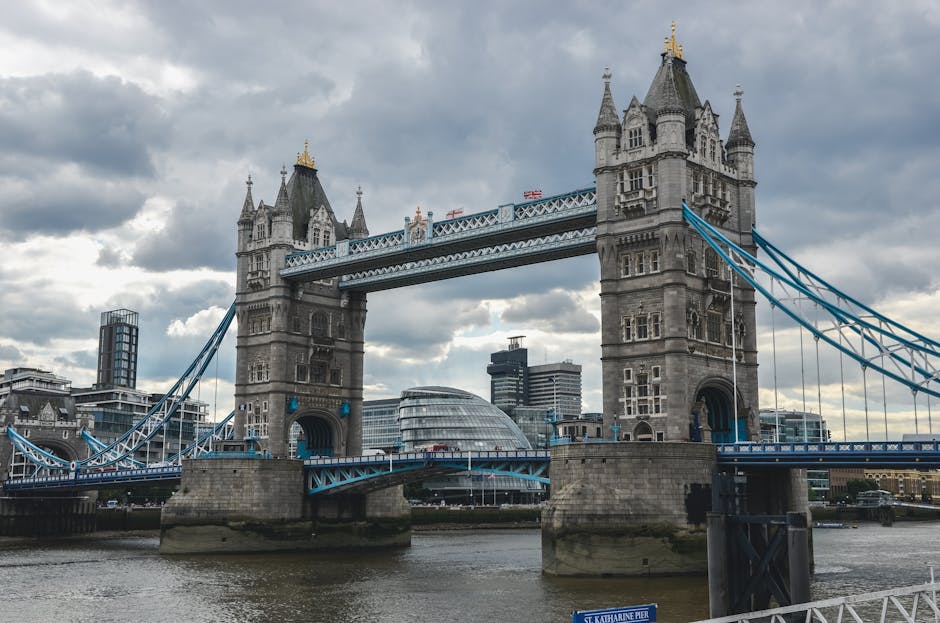
Moving Near Tower Bridge? Access and Parking Tips
Moving near Tower Bridge sounds romantic on paper: river views, iconic streets, a bit of London character. Then moving day arrives, and the reality is usually a van, a tight road, a loading bay that disappears when you need it, and one very determined local traffic flow. If you are planning a move around Tower Bridge, access and parking tips can make the difference between a calm handover and a day that feels like it has one problem after another.
This guide breaks down the practical side of moving in this part of central London. You will find clear advice on access, parking, timing, building restrictions, and the small planning details that tend to get overlooked until the van is already circling the block. Truth be told, that is usually when the panic starts. Better to sort the little stuff now.
For peace of mind on the move itself, it also helps to understand the broader service standards behind your mover. You can review useful company information such as who the team is and how they work, insurance and safety expectations, and health and safety commitments before you book.
Table of Contents
- Why Moving Near Tower Bridge? Access and Parking Tips Matters
- How Moving Near Tower Bridge? Access and Parking Tips Works
- Key Benefits and Practical Advantages
- Who This Is For and When It Makes Sense
- Step-by-Step Guidance
- Expert Tips for Better Results
- Common Mistakes to Avoid
- Tools, Resources and Recommendations
- Law, Compliance, Standards, or Best Practice
- Options, Methods, or Comparison Table
- Case Study or Real-World Example
- Practical Checklist
- Conclusion
- Frequently Asked Questions
Why Moving Near Tower Bridge? Access and Parking Tips Matters
Tower Bridge is one of those places where distance on a map and time in the real world feel like different measurements. Streets can be narrow, traffic can be stop-start, and parking is rarely something you want to leave to chance. If you are moving into, out of, or near this area, access planning is not a nice extra. It is part of the move itself.
Why does it matter so much? Because moving day depends on three things that can be fragile in busy central London locations: where the van can stop, how long it can stay there, and how easily furniture can be carried between the vehicle and the front door. A building with no lift, a loading restriction you did not notice, or a road closure nearby can add quite a bit of friction. And yes, sometimes it is just one awkward staircase that changes the whole tempo of the day.
In practice, good access planning saves time, reduces stress, and lowers the risk of damage to belongings. It also helps your movers work safely, which is especially important when they are handling heavy items in tight spaces or near pedestrian traffic. If you want to understand the people and processes behind the move, it is worth reading the company's terms and conditions alongside the pricing and quotes guidance so you know what is included and what needs confirming in advance.
Expert summary: around Tower Bridge, the smartest move is rarely the fastest one on paper. It is the one that has been planned for parking, loading, stairs, timing, and local restrictions before the van pulls up.
How Moving Near Tower Bridge? Access and Parking Tips Works
At its simplest, access and parking planning is about matching the logistics of a removal van to the reality of the street. That means figuring out where the vehicle can legally stop, how close it can get to the property, and whether your route from van to front door is usable with boxes, flat-pack furniture, mattresses, and the awkward items everyone forgets are awkward until moving day.
Near Tower Bridge, that process usually includes checking a few things early:
- whether the street has permit parking, loading bays, or time-limited stopping areas
- how busy the road gets at different times of day
- if there are low bridges, one-way systems, or tight turns that affect van access
- whether the property has a lift, service entrance, or rear access
- if the building management requires notice for deliveries or removals
Most problems happen when people treat parking as a last-minute task. A mover can do a lot, but they cannot legally create space on a busy street. That is the bit people sometimes underestimate. The practical solution is usually a combination of timing, permit checking, and, where needed, a smaller vehicle or a staged load plan.
A useful approach is to treat the move like a short project: assess access, confirm parking, plan the load order, and keep a buffer for delays. If a larger item needs two people and a clear path, plan for that. If the building lift is temperamental, plan for that too. It sounds obvious, but on the day people tend to forget the obvious.
Key Benefits and Practical Advantages
Good access and parking planning does more than prevent headaches. It changes the whole feel of the move. You get fewer delays, less frustration, and a better chance of finishing in daylight rather than fumbling through the last boxes in the evening with everyone slightly fed up.
Here are the main advantages:
- Less waiting time: the van can get closer to the property, so loading and unloading happen more efficiently.
- Lower risk of damage: shorter carrying distances reduce bumps, scrapes, and the odd wall mark.
- Better safety: fewer awkward lifts and less pressure to rush in tight spaces.
- Reduced stress: you know where the van is going and how the move will flow.
- Cleaner coordination: neighbours, building staff, and movers all know what to expect.
There is also a commercial advantage if you are comparing removal options. A well-planned move tends to be more predictable, which can make it easier to discuss the quote and manage expectations. If you are still weighing up different service levels, the pricing and quotes page can help you understand how planning and access details may affect the final job.
And let's be honest: a move that feels organised gives everyone a better mood. Even the person who insists they are "fine" while standing in a hallway surrounded by lamp shades and cables.
Who This Is For and When It Makes Sense
This advice is useful for anyone relocating near Tower Bridge, but it is especially relevant if your move involves any of the following:
- a flat in a managed block or apartment building
- a property with limited street parking
- heavy or bulky furniture
- a same-day move with a narrow time window
- shared access routes, courtyards, or service entrances
- a move involving children, pets, or elderly family members who need the day kept calm
It also makes sense for landlords, letting agents, and building managers who need removals to happen with minimal disruption. A clear plan is usually appreciated by everyone on site, especially if the building has residents who come and go throughout the day.
If you are moving office space or small business items near Tower Bridge, the need for access planning becomes even more obvious. Business moves are often time-sensitive, and a blocked loading spot can ripple through the whole schedule. In that case, it is worth confirming the details early and checking the support options available via the contact page if you need to clarify anything before moving day.
Step-by-Step Guidance
Here is a practical way to handle a move near Tower Bridge without making it more complicated than it needs to be.
- Survey the property access. Look at the front entrance, stairs, lift, corridor width, and any obstacles between the road and the door.
- Check parking and stopping rules. Identify whether the street has loading restrictions, resident bays, or timed access limits.
- Speak to the building or landlord. Some buildings require booking for lifts, service entrances, or loading areas. That step is easy to miss. Very easy.
- Decide on van size and crew size. A larger van is not always better if the street is tight. Sometimes a smaller, more nimble vehicle is the smarter call.
- Plan the route from van to property. Measure the path for large furniture if needed, and check for awkward corners or low ceilings.
- Book timing carefully. Aim for a window that avoids the heaviest local traffic where possible, and give yourself breathing room.
- Prepare a loading order. Place the items you need first at the easiest point to access. That sounds small, but it saves a surprising amount of time.
- Keep contact details handy. If parking changes or a gate is locked, you need to be reachable quickly.
If recycling or decluttering is part of the move, sort that before the van arrives. It keeps the job cleaner and avoids paying to move things you no longer want. For responsible disposal and waste-aware habits, see the company's recycling and sustainability information.
Expert Tips for Better Results
Over the years, the moves that go best are usually the ones where the basics were handled early. Nothing glamorous. Just solid, unflashy planning.
- Do a site visit if you can. Even a ten-minute look at the street and building entrance can reveal a problem that does not show up in photos.
- Measure the tricky bits. Door widths, stair turns, lift dimensions, and the depth of tight hallways matter more than people think.
- Assume parking will be tight. If you are pleasantly surprised on the day, great. If not, you have planned for the harder version already.
- Keep essentials separate. Documents, chargers, keys, kettle, and a bag with basics should not end up buried under bedding. Been there, and it is annoying.
- Use clear labels. Mark boxes by room and priority. Your future self will thank you when the kitchen boxes are not mixed with winter coats.
- Confirm access for both addresses. The new place and the old place can each create a bottleneck. Check both, not just one.
A small but important tip: if you are moving on a Friday or near month-end, expect more competition for parking and building access. That little detail can make the day feel busier than you expected, even if the job itself is straightforward.
One more thing. Keep the tone calm with neighbours and building staff. A friendly chat at the right time can solve more than any amount of overthinking. London can be prickly, sure, but people respond well to politeness and a clear plan.
Common Mistakes to Avoid
Most access problems are preventable. The challenge is that they often feel minor until they turn into a delay. Here are the mistakes we see most often:
- Leaving parking until the morning of the move. By then, options are limited and stress is high.
- Ignoring building rules. Some properties require advance notice, lift booking, or specific arrival times.
- Choosing the wrong van size. Too large and you may struggle to park; too small and the job may take longer than expected.
- Not measuring bulky furniture. A sofa that looks fine in a room may be less fine on a staircase.
- Forgetting weather conditions. Wet pavements, wind, and low light can slow a move more than you think.
- Assuming someone else has checked the details. Sometimes everyone assumes, and then nobody actually confirms.
Another common issue is underestimating how long loading takes in a busy area. Even if the property is close to the road, there may be pedestrians, cyclists, or traffic flow to work around. In Tower Bridge areas, that is normal. Not ideal, but normal.
One more slightly awkward one: forgetting to reserve space for the van at both ends. It happens more than people admit. The move starts fine, then the team realises the destination has nowhere practical to stop. That is a tough way to learn the lesson.
Tools, Resources and Recommendations
You do not need a complicated toolkit to manage a move near Tower Bridge, but a few simple resources help a lot.
- Basic measuring tape: useful for checking doors, lifts, and furniture clearance.
- Floor plan or room list: helps you place items quickly on arrival.
- Labelled box system: room name, priority level, and fragile notes if needed.
- Parking or access notes: write down the building entry instructions, gate codes, and any agreed arrival window.
- Phone battery charger: sounds obvious, but moving days have a way of draining batteries and patience at the same time.
If you want to understand how pricing, payment, and booking are handled before you commit, it is sensible to read the company's payment and security information. If you need to know how the business handles customer data, the privacy policy is the right place to look. These pages do not make the move easier physically, but they do make the process feel more transparent, which matters.
For customers who value accessibility and clear information, the accessibility statement can also be helpful. It is one of those small trust signals that quietly says a lot.
Law, Compliance, Standards, or Best Practice
Moving in central London usually involves practical rules rather than dramatic legal complexity, but the rules still matter. Parking restrictions, loading-only zones, permit requirements, building access rules, and local traffic management all need to be respected. If the vehicle stops in the wrong place or for too long, the day can become more expensive and more stressful very quickly.
Best practice is simple: confirm where the vehicle can legally wait, who needs to approve access, and whether any time window applies. If the property is managed, ask whether the building has its own procedures for removals. Many apartment blocks do, and these procedures are there to protect residents, lifts, and common areas.
Safety standards are just as important. Lifting heavy items, carrying through narrow hallways, and manoeuvring furniture near roads should be done carefully and with the right equipment where needed. It is not about being overcautious; it is about avoiding preventable damage and injuries. A responsible mover should also have appropriate insurance and a clear safety approach, which is why pages like insurance and safety and health and safety policy are worth checking.
If you want a straightforward sign of professionalism, look for clear communication, sensible time planning, and a willingness to talk through access before the job begins. That is usually a better indicator than a flashy promise. To be fair, flashy promises rarely help when there is a van in traffic and a sofa at the top of four flights of stairs.
Options, Methods, or Comparison Table
There is no single right way to manage access and parking near Tower Bridge. The best method depends on the street, the property, and the volume of items you are moving. Here is a simple comparison to help you choose.
| Approach | Best for | Advantages | Trade-offs |
|---|---|---|---|
| Small van with closer parking | Tight streets and limited stopping space | Easier manoeuvring, less stress on narrow roads | May require more trips if there is a lot to move |
| Larger van with planned loading bay use | Heavier loads and better access windows | Fewer trips, faster loading if parking is secure | Harder to place in busy streets; more dependent on timing |
| Staged move with timed collection | Large flats or buildings with strict access rules | Reduces pressure and can work around restrictions | Needs more coordination and usually more planning |
| Man and van with manual carrying support | Smaller moves or limited access properties | Flexible, practical, often easier in dense areas | Not ideal if there are many heavy items or long carry distances |
If you are unsure which approach fits your move, the safest bet is to describe the property clearly before booking and ask what vehicle or crew setup is recommended. A little honesty here saves a lot of friction later.
Case Study or Real-World Example
Here is a realistic example. A couple moving into a flat close to Tower Bridge had the furniture sorted, boxes packed, and a moving day booked. What they had not properly checked was the exact loading arrangement outside the building. The road looked fine in a quick visit the week before, but on the day it was busier than expected and the nearest sensible stopping point was further away than they had imagined.
The result? The team had to carry items a longer distance than planned, and the move took longer than it should have. Nothing disastrous happened, thankfully, but it was a reminder that "close enough" is not the same as "confirmed." The couple then got their building contact involved, checked the access procedure for future deliveries, and made a note to book earlier next time.
That is the real lesson, really. Good moving days are rarely magical. They are built from small decisions: checking the stop point, asking about lift bookings, putting the kettle in a clearly marked box, and not assuming the street will behave itself just because it looked quiet once at 9am.
In another move nearby, the household had a full list of instructions ready, the van parking point was confirmed, and boxes were staged by room. The whole day felt noticeably smoother. Same general area, same London traffic, very different experience. Small planning changes, big difference.
Practical Checklist
Use this checklist before moving day. It is simple, but it covers the bits that cause most trouble.
- Confirm the full address and any building access instructions
- Check parking rules, loading restrictions, and permit needs
- Ask whether the building requires advance notice for removals
- Measure stairwells, doors, lifts, and any tight corners
- Decide whether a smaller van would be easier than a larger one
- Prepare labels for boxes by room and priority
- Set aside essentials you need on day one
- Keep phone numbers for your mover and building contact handy
- Review insurance, safety, and service terms before the job
- Allow time for traffic, delays, and the unexpected little things
Quick takeaway: if you can answer where the van will stop, how long it can stay there, and how furniture gets from the vehicle to the door, you are already ahead of most moving-day problems.
Conclusion
Moving near Tower Bridge does not have to be chaotic. It just needs proper access planning, a realistic view of parking, and a few thoughtful checks before the day arrives. Once those parts are in place, everything else tends to feel more manageable. You still have boxes, stairs, traffic, and the usual London realities, but none of it feels quite so sharp.
To make the process smoother, check the service details early, confirm access requirements, and keep the communication clear on both sides. If you value a straightforward, transparent approach, it is worth reviewing the company's complaints procedure too, simply so you know what support looks like if something needs attention. Most people never need it. Still, it is good to know.
Get a free quote today and see how much you can save.
And if you are standing in the middle of a half-packed room wondering how it all got so busy so quickly, take a breath. With the right planning, this part of London can be a very manageable move indeed.
Frequently Asked Questions
Is it difficult to park a moving van near Tower Bridge?
It can be, depending on the street, the time of day, and whether there are loading bays or permit restrictions. The safest approach is to confirm parking conditions in advance rather than assume there will be space.
Should I book a smaller van for a move near Tower Bridge?
Sometimes, yes. A smaller van can be much easier to place on narrow or busy streets. That said, if you have a large volume of belongings, a larger van may still be more efficient if access allows it.
Do building managers usually need notice for removals?
Often they do, especially in apartment blocks or managed developments. Some may require lift booking, advance notice, or specific moving hours. It is always worth checking before moving day.
What is the biggest access mistake people make in central London moves?
The most common mistake is leaving parking and access planning until the last minute. That is when small restrictions suddenly become big problems.
How early should I check access and parking details?
As early as possible. Ideally, check as soon as you know your move date and property details. That gives you time to resolve issues with parking, building access, or vehicle size.
What if the van cannot stop right outside the property?
Then the move needs a fallback plan. That might mean a shorter vehicle, a different stopping point, or extra carrying distance. Planning for that scenario before the day is much better than improvising under pressure.
Can access issues increase moving costs?
They can, because longer carry distances, waiting time, and extra handling can affect how the job runs. Exact pricing depends on the move, so it is best to discuss access details before confirming the quote.
What should I tell the mover before moving day?
Give them the property type, floor level, lift access, parking limitations, any gate codes, and whether there are bulky items. The more accurate the information, the better the planning.
Is it worth doing a site visit before the move?
Yes, if possible. A quick look at the street and entrance can reveal narrow corners, low kerbs, or access issues that are not obvious from an online listing.
How can I make moving day less stressful near Tower Bridge?
Keep the plan simple: confirm parking, check access, label boxes clearly, keep essentials separate, and allow extra time. It is a city move, after all. A little buffer goes a long way.
What should I do if my building has strict loading rules?
Ask for the rules in writing if possible, then share them with your mover. If needed, coordinate the move around the permitted window and make sure everybody knows the agreed plan.
Where can I learn more about the company before booking?
You can review helpful trust and service pages such as about the company, payment and security, and the terms and conditions to understand how the service is set up.