Notting Hill Gate removals guide for narrow access London
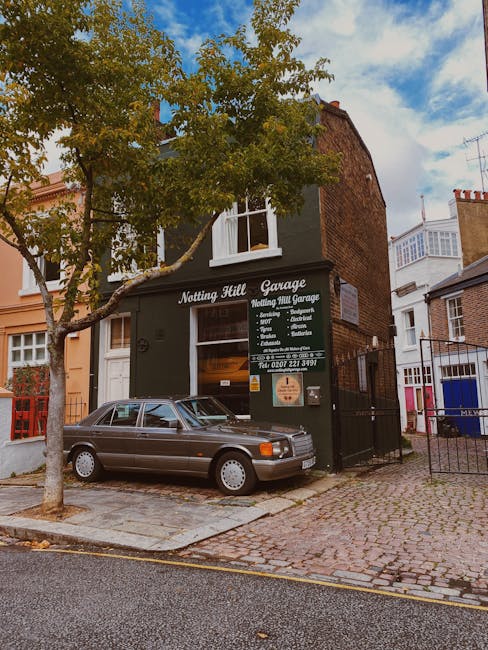
Moving around Notting Hill Gate can feel simple on a map and then, five minutes later, completely different on the pavement. The streets are busy, the parking is tight, the stairwells are often awkward, and a van that looked perfectly fine online can suddenly feel far too big once it meets a narrow mews entrance or a basement flat with a sharp turn. This Notting Hill Gate removals guide for narrow access London is written for exactly that sort of move: the kind where good planning matters more than bravado. If you are trying to avoid a last-minute scramble, a scratched wall, or a van circling for half an hour, you are in the right place.
In this guide, you will find a clear, practical walkthrough of how narrow-access moves work in this part of London, what makes them tricky, and how to make them calmer. There are checklists, comparison points, and plain-English advice on vehicles, packing, timing, access checks, and the small details people often miss until the morning of the move.
Why Notting Hill Gate removals guide for narrow access London Matters
Notting Hill Gate has a very London kind of complexity. It is central, well connected, and full of properties that were not designed with modern furniture, bulky wardrobes, or large moving vehicles in mind. That does not make moving impossible. It just means the usual assumptions do not always hold.
Narrow access changes almost every part of a removal. You may have to think about whether a van can stop near the entrance, whether a sofa can turn on the stairwell landing, and whether the removal team can carry items without blocking pedestrians or upsetting neighbours. In a place like this, the difference between a smooth move and a stressful one often comes down to whether the access was properly checked before the first box was lifted.
To be fair, many people focus on packing and forget the route. That is understandable. Boxes are tangible; access problems are easy to underestimate. But in narrow-access London, the route is part of the job. The street outside matters almost as much as the hallway inside.
A well-planned narrow-access move also helps with safety. Less rushing means fewer knocks against walls, fewer trips on tight stairs, and less heavy lifting in awkward positions. If you are moving a family home, a one-bedroom flat, or a small office, the same principle applies: measure first, then move. Not the other way around.
How Notting Hill Gate removals guide for narrow access London Works
The practical process is usually straightforward once the access is understood. First, the moving team assesses the property layout and the surrounding street conditions. Then they decide what vehicle size makes sense, where loading can happen, and whether the move needs extra time, extra crew, or specialist handling for bulky items.
In narrow-access areas, a smaller vehicle is often easier to position than a larger one. That said, smaller is not automatically better. If the job is bigger than the vehicle, you can end up with extra trips, longer loading times, and more pressure on the day. The sweet spot is a vehicle and crew combination that suits both the access and the volume of items.
This is where a man and van style service can be useful for smaller moves, partial loads, or tight residential access. For bigger households or office setups, a larger vehicle or a more structured removal plan may be better. If you are comparing options, it helps to look at the available man and van service alongside broader moving support such as home moves and house removalists.
On the day, the team will normally try to keep the chain of movement short and efficient: vehicle to door, door to stairwell or lift, stairwell to room. The fewer times an item has to be re-handled, the lower the risk of damage. Simple enough, but it makes a huge difference when the corridor is barely wider than the wardrobe itself.
Key Benefits and Practical Advantages
A properly planned narrow-access move is not just about avoiding problems. It can actually make the whole experience better. Here is what good planning gives you in real terms.
- Less stress on moving day: you know where the vehicle is going, who is carrying what, and what happens if a turn is too tight.
- Lower damage risk: fewer hurried manoeuvres means fewer scrapes, scuffs, and accidental drops.
- Better timing: when access is mapped out, the schedule becomes more realistic.
- Safer lifting: awkward angles, split stairs, and cramped landings are planned for instead of discovered mid-carry.
- Less neighbour disruption: a tidy loading plan reduces pavement blocking and noisy back-and-forth.
There is also a financial upside. Clear planning can help you avoid paying for avoidable delays, extra labour, or a second trip caused by underestimating the access. Let's face it, nobody wants to discover that the velvet chair simply will not fit through the communal doorway after the crew has already started.
If you are thinking about a small, efficient move with tight access, comparing vehicle types can help. Some jobs are better suited to a lighter setup, while others need more capacity. Pages like man with van, moving truck, and removal truck hire can be useful starting points when you are weighing capacity against access.
Who This Is For and When It Makes Sense
This guide is for anyone moving in or around Notting Hill Gate where access is not exactly generous. That includes basement flats, upper-floor apartments, mews houses, shared buildings with narrow hallways, and commercial spaces tucked away from easy curb access.
It is especially helpful if you are:
- moving in or out of a flat with tight stairs or a tricky front entrance
- relocating a small office with furniture that needs careful dismantling
- delivering or collecting bulky items from a narrow residential street
- handling a same-day or short-notice move where the route needs quick decisions
- trying to avoid damage in a building with shared walls, railings, or a delicate entrance path
If your move includes mixed items, old furniture, or awkward single pieces, it can help to separate the whole job into sensible parts. For example, you might use a focused collection for a sofa or dining table, or add support through furniture pick up if the task is more about removing bulky items than relocating an entire household.
Commercial moves can also run into narrow-access issues. Think of a small studio, a salon, or an office above street level where deliveries have to be managed around opening hours and public footfall. In those cases, services such as commercial moves or office relocation services can be more appropriate than a casual, one-off arrangement.
Step-by-Step Guidance
Here is a sensible process for getting a narrow-access move under control. No drama, just a clear sequence that saves time later.
- Check the access before you book. Measure the staircase width, hallway corners, doorway clearance, and any awkward turns. If there is a lift, note the cab size and whether it is working that week. It sounds basic, but people miss this more often than you would think.
- Look at the street, not just the property. Can a van stop nearby? Is there space for loading? Will parking restrictions make a delay likely? In a busy area, five minutes of observation can save an hour of hassle.
- List every bulky item. Sofas, wardrobes, beds, tables, white goods, and large mirrors deserve special attention. If something has to be dismantled, say so early.
- Match the vehicle to the job. Smaller vehicles often work better on tight streets, but the load still has to fit. If you need more capacity, a larger vehicle or truck may be the safer choice.
- Pack for carrying, not just storing. Use sturdy boxes, label heavy items clearly, and avoid overfilling. A box that is easy to stack can still be miserable to carry if it is packed badly.
- Protect the route inside the building. Floor runners, blankets, and careful handling reduce damage in hallways and communal areas.
- Build in time for awkward pieces. A bed frame that comes apart in ten minutes may still take twenty to manoeuvre down a narrow staircase. Truth be told, furniture has a way of becoming more interesting at exactly the wrong moment.
- Confirm the plan in writing. Arrival time, access notes, item list, and any special handling requests should be clear before moving day.
If your move involves packing support as well as transport, it can be worth combining the logistics with packing and unpacking services. That can make a real difference when access is tight, because properly packed items are faster and safer to carry.
Expert Tips for Better Results
After enough moves in London, a few patterns become obvious. The best outcomes usually come from small decisions made early.
Tip 1: Measure the awkward bit, not just the obvious bit. Doorways are easy. It is the turn at the top of the stairs, the narrow landing, or the angle around the banister that usually causes trouble.
Tip 2: Protect the building before protecting the van. A blanket in the right place can prevent a complaint, a scuff, or an awkward conversation with a neighbour who already looks mildly unimpressed.
Tip 3: Keep high-priority items separate. Documents, keys, chargers, medication, and one kettle if you are sensible. You will thank yourself later.
Tip 4: Choose timing carefully. Early starts often work better in central London because the streets are quieter and parking is slightly less chaotic. Slightly. Not magically, just slightly.
Tip 5: Be honest about access. If there is a step, a slope, a gate code, or a long walk from the van, say it. A realistic plan is almost always better than a hopeful one.
Tip 6: Use the right level of service. A tiny move does not need an oversized vehicle, and a bigger one should not be squeezed into a plan that clearly needs more support. If you are unsure, browsing options such as pricing and quotes can help you compare the practical fit rather than just the headline price.
Common Mistakes to Avoid
Most narrow-access problems are preventable. The same mistakes keep appearing, and they are usually the result of underestimating the environment rather than poor intent.
- Booking before checking access: if the van cannot safely stop near the property, everything gets harder.
- Ignoring bulky furniture dimensions: a wardrobe that looks manageable in a photo can be a nightmare on a tight stairwell.
- Underpacking fragile items: more movement during carry means more chance of damage.
- Forgetting building rules: some properties need loading coordination, lift protection, or advance notice.
- Leaving everything to the last minute: last-minute boxing-up and access planning rarely mix well.
- Assuming a larger vehicle is always faster: sometimes it is the opposite if the street is too narrow or the parking too limited.
One of the biggest mistakes, honestly, is a kind of cheerful optimism about measurements. "It should fit" is not a measurement. Not really.
Another common issue is forgetting to plan what happens after the van arrives. If the route from the curb to the front door is long, uneven, or interrupted by gates, you need to account for that in the schedule. Otherwise the day starts feeling rushed before the first box is even touched.
Tools, Resources and Recommendations
You do not need specialist equipment for every move, but a few basic tools make narrow-access removals noticeably easier. The aim is to reduce friction, both physical and logistical.
- Measuring tape: for doors, corridors, stair turns, and furniture dimensions.
- Sturdy boxes and labels: so items stay organised and stack neatly.
- Furniture blankets and wrap: useful for protection in tight hallways and around corners.
- Gloves and proper footwear: because a confident grip matters when space is limited.
- Basic screwdriver or hex key set: for beds, tables, and flat-pack pieces that need dismantling.
- Floor protection: especially in communal buildings where every mark seems to stay forever.
On the service side, it helps to think about what you actually need rather than what sounds simplest. A man with van arrangement can be ideal for compact moves or single-load jobs. Larger or more complex removals may be better supported by moving truck options or removal truck hire.
And if your move creates unwanted items or end-of-life furniture, it is worth planning disposal responsibly. The team's recycling and sustainability approach may be useful when you are deciding what to keep, donate, or remove.
Law, Compliance, Standards, or Best Practice
Not every removal involves formal compliance issues, but in London there are still practical standards worth respecting. You may need to consider parking restrictions, loading rules, building management requirements, and safe working practices. The exact responsibilities can vary depending on the property, local arrangements, and the type of move.
At a minimum, good practice usually means:
- planning access carefully before the job begins
- avoiding unsafe lifting or carrying methods
- respecting communal areas and protecting shared surfaces where appropriate
- being clear about insurance and handling expectations
- communicating honestly about anything that could delay the move
If you are comparing providers, it is reasonable to ask how they handle safety, damage protection, and insurance. A trustworthy operator should be comfortable discussing those topics in plain language. You may also want to review insurance and safety alongside health and safety policy details before confirming a booking.
For business customers or larger jobs, paperwork and terms matter too. A quick look at terms and conditions and payment and security can prevent awkward surprises later. A bit boring, yes. But useful. Very useful.
Options, Methods, or Comparison Table
There is no one perfect moving method for every narrow-access job. The right choice depends on volume, access, timing, and how much handling the furniture can tolerate.
| Option | Best for | Strengths | Possible limits |
|---|---|---|---|
| Man and van | Small flats, partial loads, single bulky items | Flexible, often easier to place on narrow streets | May need more trips for larger loads |
| Home move service | Full household moves with mixed items | More structured planning, better for bigger jobs | May require stronger access coordination |
| Truck hire | Heavier or higher-volume moves | More capacity in one run | Can be harder to use on tight streets |
| Packing plus transport | Busy households, fragile contents, time-sensitive moves | Less stress, better item protection | Adds another layer of coordination |
If your move is mostly about access rather than volume, smaller and more nimble is often the right answer. If it is about a complete household or a business relocation, capacity and coordination start to matter more. There is no prize for forcing the wrong setup to work.
Case Study or Real-World Example
Here is a realistic example. A couple moving out of a top-floor flat near Notting Hill Gate had a two-seat sofa, a bed frame, several medium boxes, and a mirror that was slightly too precious to be left to chance. The building had a narrow staircase, and the street outside was busy enough that random waiting was not a great plan.
Rather than using a larger vehicle and hoping for the best, the move was organised with access in mind. The sofa was wrapped properly, the bed frame was dismantled in advance, and boxes were labelled so the heaviest ones could be carried first. The team arrived early, used the shortest sensible loading point, and kept the route through the hallway clear. There was still a bit of awkward turning near the stair landing, of course. London would not allow perfection. But the move stayed orderly, and no one ended the day with that horrible "we should have measured this" feeling.
The main lesson was simple: the move was not faster because it was rushed. It was faster because access was understood beforehand. That is the whole game, really.
Practical Checklist
Use this checklist before moving day. Print it, save it, scribble on it. Whatever works.
- Measure doorways, stair turns, and any lift dimensions
- Check whether the van can stop close enough for loading
- List all large or awkward items
- Confirm whether furniture must be dismantled
- Label boxes by room and priority
- Protect floors, corners, and narrow internal routes
- Confirm arrival time and access notes
- Set aside essentials for the first night
- Review insurance and handling expectations
- Plan disposal or recycling for unwanted items
Expert summary: In narrow-access parts of London, success usually comes from preparation, not strength. Measure the route, choose the right vehicle, and make the carry as short and simple as possible. That is the bit people remember when the day ends calmly.
Get a free quote today and see how much you can save.
Conclusion
A move at Notting Hill Gate does not have to be difficult, but it does need to be realistic. Narrow access changes the plan, and the earlier you accept that, the easier the day becomes. Measure carefully, choose a vehicle that suits the street as well as the furniture, and keep the packing and access details tied together rather than treating them as separate jobs.
If you do that, the move usually feels much more manageable. A bit of planning saves a lot of energy. And in London, that counts for something.
If you are preparing for a tight-access move and want a calm, practical start, the next sensible step is to gather your measurements, list the awkward items, and compare the service level that matches the job. It really can be that straightforward. Sometimes not easy, but straightforward.
Frequently Asked Questions
What makes Notting Hill Gate removals tricky for narrow access?
The main challenge is the combination of busy streets, limited stopping space, narrow hallways, and older buildings that were not designed for large furniture. A move can be perfectly doable, but only if the access is checked properly first.
Should I choose a man and van for a narrow-access move?
Often, yes, if the job is relatively small or you only need to move a few items. A smaller vehicle can be easier to position on tight streets. For fuller household moves, though, a larger or more structured removal plan may be better.
How do I know if my sofa will fit through the stairs?
Measure the sofa's height, width, and depth, then compare those dimensions with the narrowest stair turn, landing, and doorway. If the route includes awkward corners, allow extra space rather than assuming a tight fit will be fine.
Is it better to use a larger van or a smaller one in central London?
It depends on both access and load size. A larger van gives more capacity, but a smaller van can be easier to park and manoeuvre. The best option is the one that fits the street without creating extra handling problems.
Do I need to dismantle furniture before moving?
Anything bulky or awkward is usually easier to move if it has been dismantled in advance. Beds, wardrobes, tables, and some shelving units often travel more safely in smaller parts. It also helps avoid damage in narrow hallways.
How far in advance should I plan a narrow-access move?
Earlier is better, especially if you need parking coordination or have large items. Even for a simple move, doing the measurements and access check in advance gives you a far more realistic plan.
What should I tell the removals team before the move?
Share the property layout, stairwell details, parking situation, lift access if there is one, and a list of large items. If anything is difficult to carry or needs dismantling, say so early. Clear information usually saves time and stress.
Can narrow-access moves include packing help?
Yes, and in some cases that is a very smart choice. Proper packing can make the move faster, reduce breakages, and make awkward items easier to stack and carry through tight spaces.
What if the van cannot park directly outside?
That is common in London. The key is to plan the closest safe stopping point and allow time for the walking carry between the vehicle and the property. If the gap is long, it should be built into the schedule from the start.
Are there special safety concerns in narrow hallways?
Yes. Narrow hallways increase the risk of bumps, trips, and awkward lifting angles. Good handling, clear communication, and basic protection for walls and floors make a noticeable difference.
How can I reduce the cost of a narrow-access move?
Pack early, measure accurately, dismantle bulky items where possible, and choose a service that fits the size of the job. Avoiding delays and re-handling is often the simplest way to keep the overall move efficient.
What is the biggest mistake people make with Notting Hill Gate moves?
Probably assuming the access will be fine on the day. That one assumption causes a lot of problems. If you check the route, the parking, and the tightest internal points first, you are already ahead of the game.