Winter 2026: Planning a London Move During Snow and Short Days
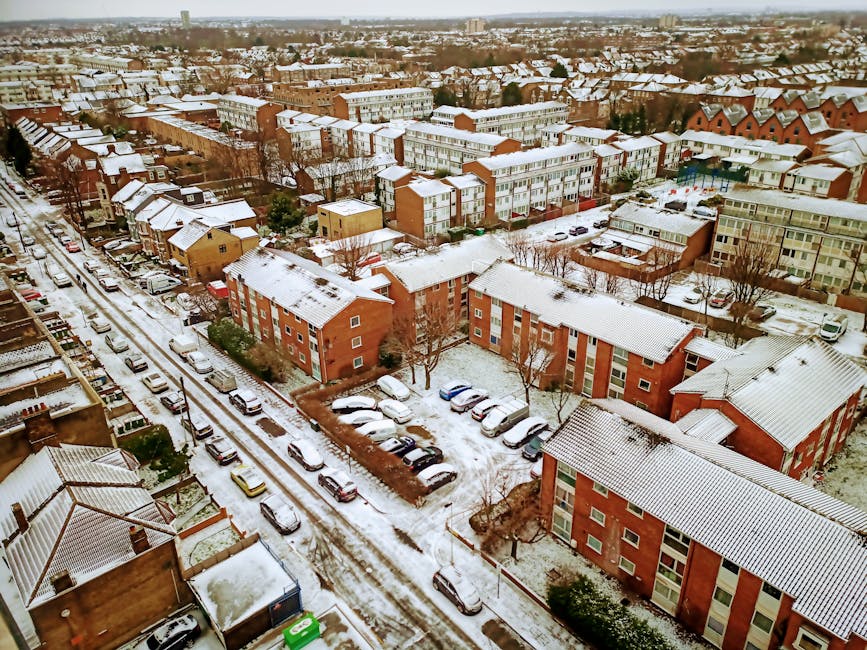
Moving in London is rarely simple. Moving in London in winter, with snow on the kerb, dark afternoons, and a temperature that seems to drop the moment you've found the keys, is a different game altogether. If you are Winter 2026: Planning a London Move During Snow and Short Days, the aim is not just to get boxes from A to B. It is to keep people safe, protect your belongings, avoid avoidable delays, and stay calm when the weather decides to be dramatic.
This guide walks through the practical side of a winter move in London: why timing matters, how to prepare for short daylight hours, what to do when access is awkward, and how to choose the right moving support for a cold-weather relocation. It is written for real life, not a perfect spreadsheet. Because, let's face it, winter moves rarely run exactly to plan.
Why Winter 2026: Planning a London Move During Snow and Short Days Matters
Winter moving is not just a matter of wearing a thicker coat. London brings a specific set of headaches: narrow streets, timed parking, low light, slick pavements, school traffic, busy buses, and the occasional snowfall that makes a short job stretch out into a long one. If you are moving a flat in Zone 2 or a family house in outer London, the daylight window can be tight. One late start, one blocked entrance, one lift delay, and suddenly you are loading in the dark.
That matters because winter changes almost everything about the pace of a move. Your packing needs more protection from damp. Your route planning matters more because traffic and visibility can worsen at exactly the wrong time. And the people doing the lifting need clear access, grip underfoot, and enough time to work carefully. It sounds obvious. Still, plenty of winter moves go wrong because people plan them like a spring move and just hope for the best.
In our experience, the households that cope best are the ones that treat winter conditions as part of the job, not a side issue. They build in buffers. They keep essentials easy to reach. They book support early. They accept that a good move in January or February is often a measured move, not a rushed one.
If your move includes furniture, awkward stairwells, or a larger vehicle, it can also help to look at man with van support or a bigger moving truck option depending on the size of the load. The choice is not just about price. It is about getting the right vehicle and crew for the conditions.
How Winter 2026: Planning a London Move During Snow and Short Days Works
A winter move works best when you plan it in layers. First, you prepare the property. Then you prepare the route. Then you prepare the team and the timing. It is a bit like stacking firewood: if the base layer is unstable, the whole thing starts wobbling.
Here is the basic logic:
- Before moving day: confirm access, parking, lift use, and the likely loading point.
- Pack for cold and moisture: use sturdy boxes, protect soft furnishings, and avoid leaving items exposed in damp hallways or garden paths.
- Plan around daylight: schedule the heaviest lifting while the light is strongest, and avoid a late finish if possible.
- Allow for weather delays: snow, ice, and traffic can all add time, especially in London streets where stopping space is limited.
- Keep essentials separate: medicines, chargers, documents, a torch, gloves, tea bags, and toilet paper. The glamorous stuff, obviously.
For smaller domestic moves, a flexible man and van service can suit short-notice or lighter loads. For bigger homes or more complex moves, you may need a more structured team, such as home moving support or house removalists. The right fit depends on volume, access, and how much help you want with lifting and loading.
A good winter plan also considers the arrival address. Is there a concierge? A tight stairwell? A loading bay that needs prior booking? A front path that turns into an ice rink by 4 p.m.? These details matter more in winter than many people expect. One small access issue can eat half an hour. Three of them and, well, you've lost the day.
Key Benefits and Practical Advantages
It may sound counterintuitive, but winter moves can offer real advantages. Not everyone wants to move in cold weather, of course, but if you prepare properly, the season can work in your favour.
- More focused planning: because winter conditions force better preparation, people tend to pack more carefully and decide sooner what is staying and what is going.
- Better scheduling discipline: a move with a clear daylight limit often runs with fewer wandering delays.
- Potentially calmer building access: some buildings and streets are less chaotic than in peak summer moving season.
- Cleaner handover habits: winter moves usually prompt better floor protection, better wrapping, and more attention to moisture control.
- Earlier decluttering: people often sort through old furniture, winter coats, and storage items before the move, which makes settling in easier.
There is also a practical comfort factor. Moving on a dark evening is miserable. Moving with a clear plan, hot drinks waiting, and the right vehicle booked? Still tiring, yes, but far less chaotic. If you are relocating a business rather than a home, you may want to consider commercial moves or dedicated office relocation services so your team can get back to work without dragging the process out for days.
Expert summary: winter moving success in London is usually won before the van arrives. The best results come from tight timing, realistic daylight planning, and protecting access routes from snow, slush, and clutter.
Who This Is For and When It Makes Sense
This kind of planning is especially useful for anyone moving between December and February, but it is not only for people expecting heavy snowfall. In London, short days and cold, wet conditions can be enough to complicate a move even without deep snow.
It makes sense if you are:
- moving from a flat with limited lift access;
- relocating a family home with multiple large items;
- moving into or out of a busy street where parking is tight;
- shifting office equipment, stock, or furniture;
- moving at short notice and need a practical, flexible setup;
- trying to keep a handover on time around tenancy or completion deadlines.
It is also sensible if you simply do not want to take risks with wet floors, icy steps, or furniture getting damp while you ferry it from the front door to the vehicle. That is especially true for wardrobes, mattresses, soft furnishings, and cardboard boxes that could soften in the rain. If you have bulky items that need moving only, not a full household relocation, a furniture pick-up service can be a neat option.
Some people think winter moving is only for the brave or the desperate. Not really. It is often for the organised. The people who know what they are doing, and who would rather deal with a cold day than fight the summer rush.
Step-by-Step Guidance
If you want a move that stays under control during snow and short daylight hours, use a simple, structured process. Not fancy. Just solid.
- Confirm the move date and a backup window. Winter weather can change fast. If possible, keep one buffer day in mind.
- Check access at both addresses. Look at steps, lifts, loading points, parking restrictions, and any gate codes or concierge requirements.
- Declutter before packing. There is no point moving broken chairs, damp boxes from the shed, or that "maybe useful" lamp you've ignored for two years.
- Pack with weather in mind. Use sealed boxes, plastic wraps where needed, and extra protection for electronics and soft items.
- Label by room and urgency. Write clearly enough that you can find bedding, chargers, kitchen basics, and coats without rummaging.
- Build a winter essentials bag. Gloves, torch, snacks, kettle items, medication, a power bank, basic tools, and warm layers.
- Schedule loading for daylight. Start early if you can. The light disappears quickly in winter, and darker conditions slow everyone down.
- Protect floors and entrances. Put down covers where needed and keep paths clear of cardboard, snow, and loose packaging.
- Load the van in a sensible order. Heavy items first, fragile items secure, essentials accessible at the end.
- Do a final walkthrough. Check cupboards, loft spaces, under beds, behind doors, and inside outdoor storage. People forget things here all the time.
If you are unsure about vehicle size, a removal truck hire arrangement can be more suitable than trying to squeeze too much into a smaller vehicle. Choosing the right capacity reduces repeat journeys, which matters a lot when daylight is limited. Nobody wants a second run across London after dusk because the first one was over-optimistic.
For packing support, especially if work and family life are already full, packing and unpacking services can remove a huge amount of pressure. That can be especially helpful in winter, when every hour saved feels like a small miracle.
Expert Tips for Better Results
A few small decisions make a surprisingly big difference in cold weather. These are the things experienced movers tend to care about first.
- Move the essentials separately. Keep documents, devices, medicines, and one change of clothes with you.
- Use better lighting than you think you need. A torch or headtorch helps with dark hallways, vans, and stairwells. Simple, but effective.
- Keep an eye on condensation. On cold mornings, boxes and upholstery can feel damp even when it is not raining. Do not leave sensitive items sitting in a cold vehicle for longer than necessary.
- Wear shoes with grip. It sounds obvious. You'd be amazed how many people try to move in smooth-soled trainers because they "forgot the boots."
- Use the right crew size. If you have stairs, awkward furniture, or a long carry to the van, extra hands are often worth it.
- Keep a kettle or hot drink plan ready. Warmth matters more than people admit. A quick cup of tea can reset the mood halfway through a long day.
One more thing: winter moves tend to expose weak packing. Flimsy tape, soft boxes, and overloaded bags fail faster in damp or cold conditions. Use stronger materials than you would in summer. No drama, just fewer headaches.
If you are comparing service levels, look at how much lifting, loading, and transport support you actually need. A simple man with van setup may be enough for a studio flat, but a family move or office relocation may benefit from a larger vehicle and more structured handling.
Common Mistakes to Avoid
Most winter moving problems are predictable. That is the annoying part, really. The good news is that predictable problems are the easiest to prevent.
- Starting too late in the day. If the loading begins close to dusk, everything becomes slower and more stressful.
- Ignoring parking or access constraints. In London, this can turn a 20-minute job into an hour of circling and carrying.
- Underestimating weather impact. Even light snow or freezing rain can change how long lifts, steps, and pavements take to negotiate.
- Packing fragile items badly. Cold, movement, and moisture make poor packing more likely to fail.
- Leaving essentials at the bottom of a box pile. The first night in a new place is easier when the basics are easy to find.
- Booking the wrong size vehicle. Too small means repeat trips. Too large can be awkward on narrow streets. Balance matters.
- Forgetting waste and unwanted items. Old furniture, packaging, and broken items need a plan, not just hope.
If you have items that should not simply be dumped at the new place, a responsible plan matters. For example, a recycling and sustainability approach can help you separate reusable items from general waste before moving day. That keeps the move cleaner and usually less stressful too.
And if you are moving out of a commercial space, leaving old furniture or unwanted office kit behind should be planned properly. A service such as furniture pick-up may be a better route than making last-minute decisions on the pavement. Truth be told, the pavements usually lose that battle.
Tools, Resources and Recommendations
You do not need a lot of special equipment, but a few practical tools can make winter moving smoother.
- Strong boxes and tape: choose boxes that will not collapse in damp conditions.
- Blankets and wrapping materials: helpful for furniture edges, mirrors, and appliances.
- Labels and markers: clear labels save time when you are tired and cold.
- Torch or headtorch: useful for early starts and darker access areas.
- Non-slip shoes: better grip on wet or icy pavements.
- Protective gloves: useful when handling metal, box tape, and cold surfaces.
- Phone power bank: very handy if route updates or building access codes are on your phone.
From a service-planning point of view, it helps to compare your options early. Some moves only need a smaller team. Others are better handled with more capacity. If you need a larger vehicle, a moving truck or removal truck hire can be the more practical choice. In both cases, the idea is the same: reduce stress by matching the setup to the job, not by guessing.
For general information about the company behind these services, you can also review the about us page. If you are ready to talk through the move itself, the contact page is the next sensible step. And when you want the numbers, the pricing and quotes page is there to help you understand what to expect.
Law, Compliance, Standards, or Best Practice
Winter moving does not usually involve a single special "winter law", but it does sit within normal UK expectations around safety, property access, and responsible handling of goods. In plain English: if a move is carried out carelessly and someone is injured, property is damaged, or access is blocked, the consequences can be serious.
Good practice usually includes:
- Safe lifting and carrying: heavy items should be lifted with care, not rushed.
- Clear access routes: entrances, stairwells, and landings should be kept as clear as possible.
- Weather-aware planning: snow and ice should be treated as real operational risks.
- Appropriate vehicle use: the vehicle should suit the volume, access, and journey length.
- Insurance awareness: both customer and provider should understand what is covered and what is not.
If you want added reassurance, the company's insurance and safety information is worth reviewing before booking. For customers who care about service standards and transparent expectations, the terms and conditions are also worth a read, even if they are not exactly bedtime material.
There are also broader business responsibilities behind the scenes. The health and safety policy helps signal how risk is approached, while the payment and security page gives practical reassurance around transactions. If you are comparing providers, those pages can tell you a lot about how seriously the business takes the basics.
Options, Methods, and Comparison Table
Different winter moves call for different levels of support. Here is a practical comparison to help you choose.
| Option | Best for | Strengths in winter | Watch-outs |
|---|---|---|---|
| Man and van | Smaller homes, lighter loads, flexible timing | Quick, adaptable, usually good for short-notice jobs | Can be less suitable for large loads or lots of stairs |
| House removalists | Full household moves | Better for structured loading, heavier furniture, and more complex logistics | Needs more planning and a clearer timetable |
| Removal truck hire | Large loads, multiple rooms, office equipment | More space, fewer repeat trips, useful for bulky winter belongings | Can be harder on narrow streets or limited-access roads |
| Packing and unpacking support | Busy households, professionals, families under time pressure | Reduces stress and saves daylight hours | Needs clear instructions so the first-night essentials stay accessible |
There is no single "best" choice. A one-bed flat with straightforward access may be fine with a smaller setup. A family home with stairs, a winter wardrobe, and a heavy sofa is another story entirely. Choosing the right option early prevents the classic moving-day problem where everyone stands around saying, "Right... now what?"
Case Study or Real-World Example
A typical winter move in London might look like this: a couple are leaving a third-floor flat in South London in late January. The weather is dry at breakfast, then sleety by lunchtime. The street is narrow, parking is tight, and the lift is shared with neighbours who all seem to need it at once.
They start early, which turns out to be the best decision they make all day. Boxes are already labelled by room. Their bedding, kettle, chargers, and toiletries are in one clearly marked bag. The heavy items are loaded first, while someone keeps an eye on the stairwell to avoid muddy footprints and slipping hazards. By the time the light fades, the main load is already at the new address.
What made the difference? Not luck. Preparation. They had already chosen a vehicle that suited the volume, checked the access, and accepted that the move needed a realistic time buffer. They also cleared out old winter gear and a spare chair before moving day, which saved a surprising amount of space. Small decisions, really. But they add up.
That kind of move is exactly where home moves support can take pressure off the day, especially when weather and daylight are working against you. And if the move is more about timing and transport than full-service handling, a leaner man and van service may be the better fit.
Practical Checklist
Use this checklist to stay on top of the moving day basics.
- Confirm the move date and arrival window.
- Check weather forecasts in the days leading up to the move.
- Review access, parking, lift use, and entry instructions.
- Pack winter clothing, chargers, medicines, and snacks separately.
- Label boxes clearly by room and priority.
- Protect fragile items, furniture corners, and electronics.
- Keep floors and entrances clear of clutter and slipping hazards.
- Arrange the right vehicle size for the load.
- Set aside a torch, power bank, and basic tools.
- Keep the essentials bag with you, not buried in the van.
- Plan how you will handle unwanted furniture or packaging.
- Do a final walk-through of both properties before leaving.
If your move generates items you do not want to carry with you, the company's recycling and sustainability approach can help you think more responsibly about what stays, what goes, and what might be reused. That is especially useful in winter, when people often decide to clear out more than they expected.
Get a free quote today and see how much you can save.
Conclusion
Winter 2026: Planning a London Move During Snow and Short Days is really about reducing uncertainty. The weather may not cooperate. The daylight will definitely feel short. But with early planning, realistic timing, and the right kind of moving support, you can keep the day manageable and even a little calmer than expected.
Prioritise access, packing quality, lighting, and vehicle choice. Keep your essentials close. Build in time for the unexpected. And do not treat winter as an afterthought, because that is usually where the trouble starts.
At the end of the day, a winter move is still just a move. Hard work, yes. A bit cold, almost certainly. But with a clear plan and a steady pace, it is entirely doable. One box at a time.
Frequently Asked Questions
Is winter a bad time to move in London?
Not necessarily. Winter is more demanding than summer because of shorter days, colder temperatures, and weather risk, but it can be a very workable time to move if you plan carefully and start early.
How do I prepare for a move when it might snow?
Keep your packing sealed and dry, check the weather in advance, protect floors and entry points, and make sure you have a backup plan if conditions become unsafe. It also helps to keep essentials separate in case the main load is delayed.
What time of day is best for a winter move?
Morning is usually best. You get the most daylight, the day is less likely to run into dark conditions, and you have more flexibility if weather or access problems slow things down.
Should I choose a man and van or a larger truck for a winter move?
It depends on the amount of furniture, the number of rooms, and access at both addresses. A smaller load may suit a man and van, while a larger household or office move may need a bigger vehicle.
How do I stop boxes getting damp in winter?
Use strong boxes, seal them properly, avoid overfilling them, and keep them away from wet ground or exposed outdoor areas. For delicate items, extra wrapping is worth the effort.
Is it worth paying for packing help?
For a winter move, often yes. Packing and unpacking support can save time, reduce stress, and help keep the day moving before darkness sets in. It is especially helpful if you are juggling work or family commitments.
What should I keep with me on moving day?
Keep documents, medication, chargers, a power bank, keys, basic toiletries, snacks, and a change of clothes with you. Those are the things you will want immediately when you arrive, not buried in a stack of boxes.
How do I know if my building access will be a problem?
Check whether there is a lift, how wide the stairwell is, whether parking is close to the entrance, and whether you need permission for loading. In London, access issues are often the hidden reason moves run late.
What if the weather turns worse on moving day?
Safety comes first. If conditions become icy or visibility drops sharply, speak with your mover about timing, access, and whether a short delay is sensible. A slower move is usually better than a rushed one with avoidable risks.
Can winter moving be cheaper?
Sometimes there is more flexibility outside peak summer periods, but pricing depends on demand, vehicle size, access, and the amount of labour required. It is better to compare options and ask for a clear quote than to assume winter is always cheaper.
What is the biggest mistake people make in a cold-weather move?
Starting too late and underestimating daylight. That one mistake can trigger a chain reaction: slower loading, tired people, poorer visibility, and more stress. A winter move lives or dies by timing.
Where should I start if I want help with my London move?
Start by deciding what you need moved, what access looks like at both properties, and how much help you want. Then review the available services, check pricing and quotes, and make contact when you are ready. A simple plan now saves a lot of cold, dark rushing later.